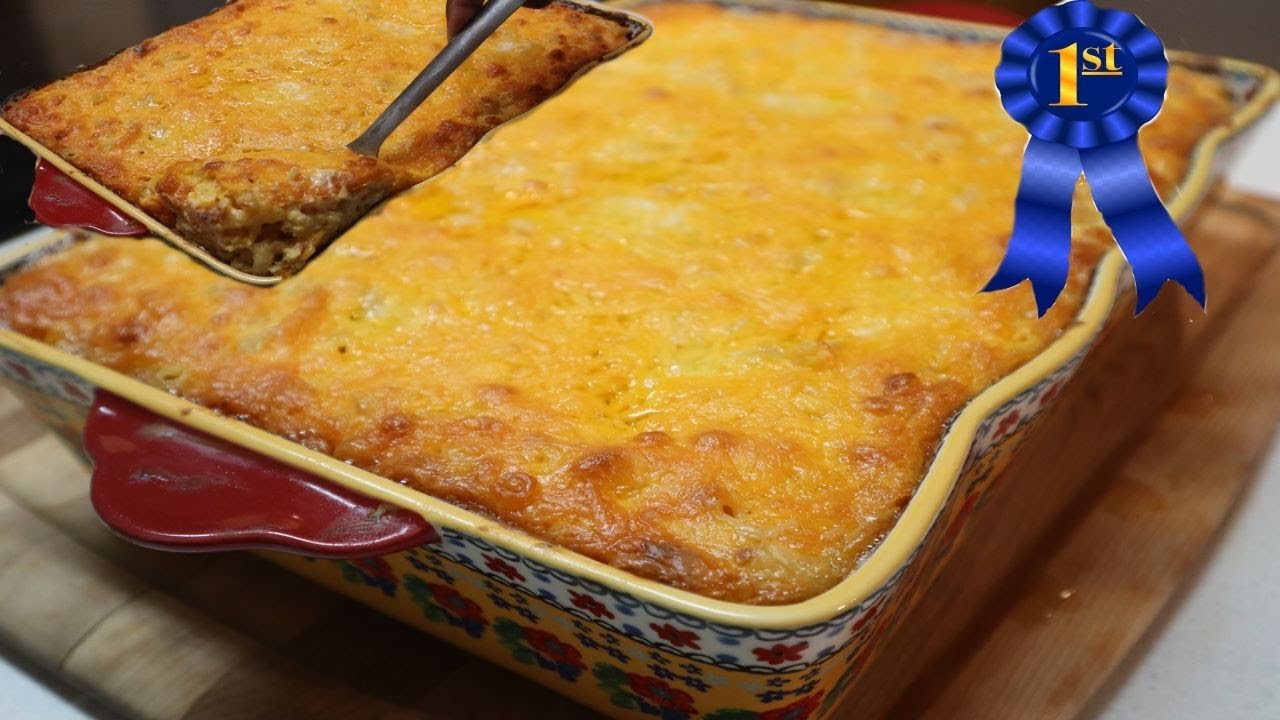
There are few dishes that evoke such profound feelings of comfort, nostalgia, and pure culinary joy as a perfectly executed pan of baked macaroni and cheese. It's more than just a meal; it's a warm embrace, a centerpiece for family gatherings, and the ultimate expression of cheesy goodness. While stovetop versions offer a quick fix, the magic truly happens in the oven, where a creamy, bubbling interior meets a golden, sometimes crispy, crust, creating a symphony of textures and flavors that is simply irresistible.
This article delves into the art and science of creating an exceptional baked macaroni and cheese, moving beyond basic recipes to explore the nuances that elevate it from good to absolutely legendary. We'll cover everything from selecting the right cheeses and crafting an impeccable sauce to achieving that coveted golden-brown topping, ensuring your next batch is nothing short of spectacular.
The Allure of Baked Macaroni and Cheese: A Timeless Classic
Why has baked macaroni and cheese maintained its reign as a beloved comfort food across generations and cultures? Its appeal lies in its straightforward yet deeply satisfying nature. The combination of tender pasta enveloped in a rich, creamy cheese sauce, then baked until bubbly and browned, hits all the right notes. Unlike its stovetop counterpart, which often prioritizes speed, the baked version allows flavors to meld and deepen, developing a complex profile that is both robust and comforting.
Historically, macaroni and cheese has roots tracing back to Europe, with early recipes appearing in cookbooks in the late 18th century. Thomas Jefferson is often credited with introducing the dish to America after encountering it in Paris. Since then, it has evolved from a sophisticated main course to a staple side dish and a beloved potluck hero. What makes the baked rendition truly special is the transformative power of the oven. The heat creates a textural contrast – a velvety, molten core against a slightly drier, often crispy, top layer. This dynamic interplay of textures, coupled with the rich, savory depth of melted cheese, makes baked macaroni and cheese an experience rather than just a meal.
Moreover, it's incredibly versatile. Whether you're serving it as a main course for a cozy weeknight dinner, a crowd-pleasing side for Thanksgiving, or a comforting dish to share with friends, its universal appeal is undeniable. Its adaptability also means there are endless opportunities for customization, allowing you to tailor it to specific tastes and occasions.
Crafting the Perfect Cheese Sauce: Beyond the Basics
The heart and soul of any great baked macaroni and cheese is its cheese sauce. A truly exceptional sauce goes beyond just melting cheese into milk; it involves a careful balance of ingredients and techniques to achieve the perfect consistency and flavor. The foundation of a good sauce often begins with a roux.
Building a Velvety Roux
A roux, made from equal parts butter and flour cooked together, is crucial for thickening your sauce without clumps. Start by melting butter over medium heat, then whisk in the flour. Cook this mixture for 1-2 minutes, stirring constantly, until it forms a pale, nutty-smelling paste. This step eliminates the raw flour taste and ensures a smooth, lump-free base.
Infusing Flavor with Milk and Seasonings
Gradually whisk in warm milk (whole milk or half-and-half works best for richness). Adding warm milk prevents the sauce from seizing. Continue whisking until the mixture thickens to a creamy consistency, typically 5-7 minutes. This is where your seasoning comes in. Beyond salt and freshly ground black pepper, consider adding a pinch of dry mustard powder – it doesn't make the sauce taste like mustard but enhances the cheesy flavor beautifully. A tiny grate of fresh nutmeg and a dash of cayenne pepper can also add subtle warmth and depth without making it spicy.
The Art of Cheese Selection and Melting
This is where your baked macaroni and cheese truly shines. A blend of cheeses offers a more complex flavor profile and better texture. Avoid pre-shredded cheeses, as they often contain anti-caking agents that can make your sauce gritty. Instead, grate your own for the smoothest, creamiest result.
- Sharp Cheddar: A must-have for its classic tangy flavor.
- Gruyere or Fontina: Adds nutty notes and incredible meltability.
- Monterey Jack or Mozzarella: Contributes a wonderful stretch and mild creaminess.
- Parmesan or Pecorino Romano: A small amount adds a salty, umami depth.
Once your sauce has thickened, remove it from the heat before gradually stirring in the grated cheeses. This prevents the cheese from becoming oily or stringy. Stir until completely melted and smooth. For more insights into foundational cheese sauce techniques and variations, you might find valuable tips in baked macaroni and cheese - Article 1.
Layering for Success: Texture and Flavor Harmony
The beauty of baked macaroni and cheese isn't just in its sauce; it's also in how the pasta and sauce come together, potentially with other mix-ins, to create a harmonious dish.
Choosing and Preparing Your Pasta
While elbow macaroni is traditional, don't limit yourself. Pasta shapes with nooks and crannies, like cavatappi, shells, or rotini, are excellent for trapping and holding onto that luscious cheese sauce. Always cook your pasta al dente – slightly firm to the bite – as it will continue to cook and soften in the oven. Undercooking by a minute or two from package directions is a good rule of thumb. Rinse lightly with cold water after draining to prevent sticking, but don't over-rinse, as a little starch helps the sauce cling.
The Perfect Ratio and Mix-ins
Once your pasta is ready and your cheese sauce is warm and silky, combine them gently. Ensure every piece of pasta is thoroughly coated with the sauce. This is also the stage where you can introduce optional mix-ins to elevate your baked macaroni and cheese. Consider cooked bacon bits, diced ham, sautéed mushrooms, caramelized onions, or even blanched broccoli florets. These additions can transform your dish, adding layers of flavor and texture.
The Importance of Topping
A crucial element of a truly great baked macaroni and cheese is its topping. This contributes to the coveted crust and adds another layer of texture. Common toppings include:
- Buttered Breadcrumbs: Panko breadcrumbs (Japanese style) offer superior crispness. Toss them with melted butter, herbs (like parsley or chives), and a pinch of paprika for color.
- Extra Cheese: A layer of shredded cheese on top creates a beautiful, bubbly, golden crust.
- Crushed Crackers: For a different kind of savory crunch.
For more creative mix-in ideas and advanced layering strategies that can redefine your dish, refer to baked macaroni and cheese - Article 2.
Achieving That Golden Crust: Baking Tips and Tricks
The final stage – baking – is where the magic truly happens, transforming a pan of saucy pasta into the ultimate comfort food experience with a desirable golden crust.
Optimal Oven Temperature and Time
Preheat your oven to 375°F (190°C). This temperature is ideal for allowing the internal ingredients to heat through and meld while the topping develops a beautiful crust. Bake the baked macaroni and cheese, uncovered, for about 25-35 minutes. If you find the topping browning too quickly before the interior is bubbly and hot, you can loosely tent it with aluminum foil for the last 10-15 minutes.
The Role of the Topping
For a truly crispy, golden top, ensure your breadcrumbs are adequately buttered. The fat in the butter helps them crisp up beautifully. If you’re using just cheese as a topping, consider adding a sprinkle of paprika for color and a slightly smoky note. If your topping isn't as golden as you'd like after the baking time, you can briefly place the dish under the broiler for 1-2 minutes. Watch it very carefully, as broilers can quickly burn the topping.
The Crucial Resting Period
Once your baked macaroni and cheese emerges from the oven, resist the urge to immediately dig in. Allow it to rest for at least 10-15 minutes. This crucial resting period allows the sauce to set slightly, preventing it from being too runny when served. It also helps the flavors to settle and prevents the pasta from losing too much heat too quickly, ensuring a satisfyingly warm serving experience.
Variations and Elevating Your Baked Mac and Cheese Game
Once you've mastered the classic baked macaroni and cheese, the possibilities for customization are endless. Don't be afraid to experiment with different ingredients and flavor profiles to make it truly your own.
- Meat Lovers: Fold in cooked, shredded chicken, crispy bacon, pulled pork, or even lobster meat for a decadent twist.
- Veggie Power: Add roasted vegetables like butternut squash, bell peppers, spinach (wilted and drained), or caramelized onions for added nutrition and flavor.
- Spicy Kick: Incorporate diced jalapeños, a dash of hot sauce into the cheese sauce, or a sprinkle of smoked paprika for a warming heat.
- Gourmet Touches: Truffle oil (a little goes a long way!), roasted garlic, or a blend of more sophisticated cheeses like smoked gouda or blue cheese can elevate the dish to a fine dining experience.
- Herbaceous Freshness: Fresh herbs like chives, parsley, thyme, or rosemary can be stirred into the sauce or sprinkled on top for a burst of freshness.
Remember, the goal is to enhance the existing flavors of your baked macaroni and cheese, not to overwhelm them. Start with small additions and adjust to your preference. Serve it as a hearty main dish with a simple side salad, or as a decadent side dish for roasted meats.
Conclusion
The journey to creating the perfect baked macaroni and cheese is a rewarding one, culminating in a dish that consistently delivers comfort, flavor, and satisfaction. By paying attention to the details – from a well-crafted cheese sauce and thoughtfully chosen pasta to a golden, crispy topping – you can transform this classic into a culinary masterpiece. Whether you stick to the traditional or venture into adventurous variations, the allure of a bubbly, cheesy, oven-baked pan of mac and cheese remains undeniable. So, gather your ingredients, preheat your oven, and prepare to indulge in the ultimate comfort food experience that truly stands the test of time.
